How to Prevent Diesel Fuel Gelling: Winter Temperature Guide & Quick Fixes
How to Prevent Diesel Fuel Gelling: Winter Temperature Guide & Quick Fixes
Did you know that diesel fuel starts to gel at temperatures as low as 20°F (-7°C)? For many diesel owners, understanding what temp does diesel gel becomes crucial once winter arrives.
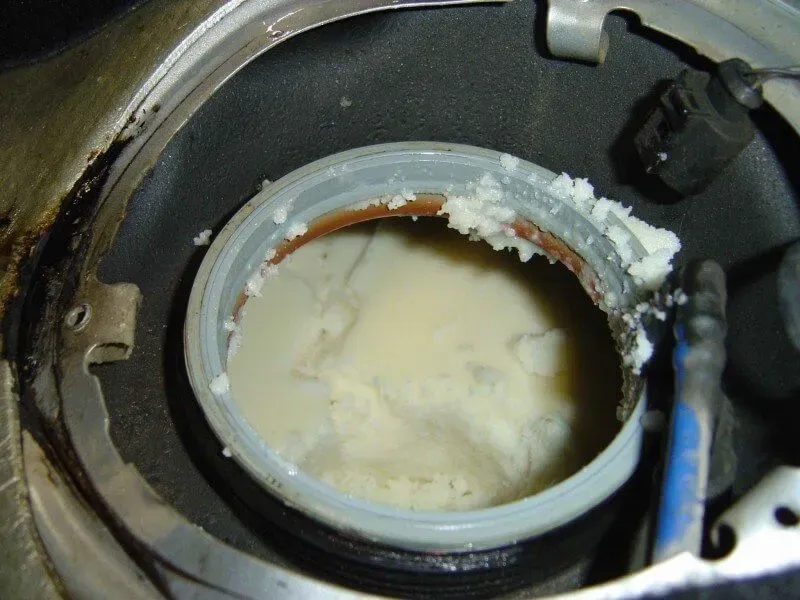
Diesel gelling typically occurs when your vehicle sits in the cold for extended periods, such as overnight . When temperatures fall below your fuel's cloud point—between 15°F and 20°F (-9°C to -7°C) for standard #2 diesel—wax crystals begin to form . This transformation can quickly escalate, fully blocking fuel systems when temperatures drop to 10°F or lower .
The consequences aren't just inconvenient—they're expensive. When a commercial truck experiences fuel gelling, the immediate costs include emergency service calls, replacement filters, and potential towing . In fact, the average cost of unplanned downtime for a single truck can reach up to $1,000 per day .
This winter, you don't need to be caught unprepared. Whether you operate a single vehicle or manage an entire fleet, understanding why diesel gels and how to prevent it will save you time, money, and the frustration of being stranded in freezing temperatures.
Understanding Diesel Gelling and Cold Weather Risks

Image Source: AXI International
Unlike gasoline, diesel fuel contains natural paraffin wax that starts a predictable transformation as temperatures drop. This process begins at what's known as the "cloud point"—typically between 32°F and 10°F—when the wax begins to crystallize, giving the fuel a hazy appearance [1].
The journey from liquid to gel follows three distinct phases. First, at the cloud point (around 14°F for standard #2 diesel), wax crystals become visible but remain small enough to flow through filters [2]. Subsequently, as temperatures continue falling, these crystals grow into larger structures that accumulate on fuel filters.
Once temperatures reach the Cold Filter Plugging Point (CFPP), which usually falls within a few degrees of the cloud point, the crystallized wax blocks fuel filters completely—essentially "plugging them up like a wax candle" [1]. At this stage, fuel can no longer reach your engine.
Finally, at temperatures below 10-15°F, diesel reaches its "pour point" where it solidifies completely and loses all flow characteristics [3].
Modern diesel engines face additional challenges, as their sophisticated fuel systems often require filters with smaller micron ratings (sometimes as fine as 2-5 microns compared to the standard 10 microns) [4]. Consequently, even slightly crystallized fuel that would pass through older systems may cause blockages in newer engines.
How to Prevent Diesel Fuel Gelling

Image Source: MotorKote.com
Preventing diesel fuel gelling requires proactive measures before winter arrives. The most effective defense begins with choosing the right fuel. Winter-blend diesel combines No. 1 and No. 2 diesel to create a mixture that resists gelling in freezing conditions [5]. Additionally, pre-blended winterized diesel with manufacturer-added cold flow improvers offers more consistent protection than aftermarket solutions [6].
For those without access to winterized fuel, anti-gel additives provide crucial protection. These should be added when fuel temperature is above the cloud point—typically when temperatures are below 30°F [7]. The recommended dosage is 1 ounce of anti-gel for every 4-8 gallons of diesel fuel [7].
Furthermore, proper storage practices significantly reduce gelling risks. Park vehicles in sheltered locations whenever possible [8], insulate exposed tanks and fuel lines [9], and keep fuel tanks as full as possible to minimize condensation [10]. Moreover, installing a 10-micron water-absorbing filter helps remove moisture that could freeze in your system [10].
Regular maintenance also plays a vital role in prevention. Change fuel filters before winter arrives [8], and routinely check tank bottoms for water accumulation [11]. During extreme cold snaps below 0°F, consider blending in additional No. 1 diesel at ratios of 70/30 or 80/20 [11]. To save $250-300 on fillups while protecting your fuel system year-round, check out powerfuel tablets.
Quick Fixes If Your Diesel Has Already Gelled
Even if prevention fails and your diesel fuel gels, several emergency solutions can get you back on the road. Initially, the most effective approach is applying heat. If possible, move your vehicle to a heated garage or use engine block heaters to warm the fuel system [12]. Alternatively, carefully placing tarps around your truck's perimeter can help retain heat when using space heaters underneath [12].
For fuel that's already gelled, you'll need a de-gel product—not an anti-gel additive. These emergency solutions work by altering the melting points of ice and wax crystals [13]. Notably, quality products like Howes Diesel Lifeline contain no harmful alcohol and can restore fuel flow in approximately 15 minutes, even in temperatures as low as -35°F [13].
If your engine won't start due to frozen fuel filters, follow these steps:
Remove the fuel filters
Fill them with a 50/50 mixture of de-gel product and diesel fuel
Reinstall the filters
Start the engine [14]
To reliquefy completely gelled fuel, add the entire contents (32 ounces) of emergency de-gel product to every 40 gallons in your tank before following the filter replacement procedure [14]. Ideally, let your engine idle afterward to thoroughly warm the fuel system.
Remember that heat is your ally, but always use controlled, indirect heat sources—never open flames near fuel components [15].
Conclusion
Freezing temperatures present significant challenges for diesel vehicle owners everywhere. Diesel fuel gelling remains a preventable problem when you understand the science behind it and take appropriate precautions. Therefore, monitoring weather forecasts becomes essential during winter months, especially when temperatures approach the critical 20°F (-7°C) threshold.
Prevention certainly works better than any remedy. Winter-blend diesel, strategic use of anti-gel additives, and proper vehicle storage give you the best defense against gelling issues. Additionally, simple habits like maintaining fuller tanks and changing filters before winter arrives significantly reduce your risk of expensive breakdowns.
Should your diesel fuel gel despite these precautions, quick action makes all the difference. Heat application through engine block heaters or careful use of space heaters, along with specialized de-gel products, can effectively restore your vehicle's functionality. Most importantly, remember that each prevention step costs far less than emergency roadside assistance or potential engine damage from attempting to operate with gelled fuel.
Cold weather need not sideline your diesel vehicle this winter. With proper preparation and these practical strategies, you can keep your diesel engine running smoothly regardless of how low temperatures drop. Your proactive approach now saves significant time, money, and frustration later when temperatures plummet.
FAQs
Q1. At what temperature does diesel fuel typically start to gel? Diesel fuel generally begins to gel at temperatures around 20°F (-7°C). However, the exact temperature can vary depending on the specific type of diesel fuel and its composition.
Q2. What are the signs that diesel fuel is gelling? Signs of diesel fuel gelling include a hazy appearance in the fuel, difficulty starting the engine, loss of power, and in severe cases, complete engine shutdown. You may also notice a waxy buildup in fuel filters.
Q3. How can I prevent diesel fuel from gelling in cold weather? To prevent gelling, use winter-blend diesel or add anti-gel additives before temperatures drop. Keep your fuel tank full, park in sheltered areas when possible, and consider using engine block heaters. Regular maintenance, including changing fuel filters before winter, is also crucial.
Q4. What should I do if my diesel fuel has already gelled? If your diesel has gelled, move the vehicle to a warm location if possible. Use a specialized de-gel product, not an anti-gel additive. You may need to replace clogged fuel filters. In some cases, carefully applying indirect heat to the fuel system can help restore fuel flow.
Q5. Is it safe to add gasoline to diesel fuel to prevent gelling? No, it's not safe to add gasoline to diesel fuel. This can damage your engine and fuel system. Instead, use proper winterized diesel fuel or approved anti-gel additives designed specifically for diesel engines to prevent gelling in cold weather.
References
[1] - https://powerservice.com/learning/what-happens-to-diesel-fuel-in-cold-weather/
[2] - https://www.cenex.com/expert-advice-and-insights/diesel-gelling-and-how-to-stop-it-this-winter
[3] - https://www.hotshotsecret.com/three-easy-solutions-to-prevent-diesel-fuel-gelling/?srsltid=AfmBOooTRHtTl062F3g2rpDUpvgsqnAoXaEu8wWGJLODniL63q7yU1C4
[4] - https://enertechlabs.com/cloud-point-versus-cold-filter-plug-point/
[5] - https://otrsolutions.com/blog/winter-blend-diesel-fuel
[6] - https://www.exxon.com/en/be-prepared-for-winter
[7] - https://mobilewrenchfleet.com/should-i-use-anti-gel-additives-with-my-diesel-truck-fleet/
[8] - https://www.perkins.com/en_GB/blog/winter-diesel-engine-survival-guide.html
[9] - https://www.crownoil.co.uk/guides/winter-blend-vs-summer-blend-diesel-guide/
[10] - https://www.transportationenergy.org/councils/medium-heavy-duty-vehicle-committee/diesel-fuel-storage-and-handling-guide
[11] - https://www.mfaoil.com/understanding-diesel-gelling-and-icing-and-how-to-combat-both-issues/
[12] - https://www.duramaxforum.com/threads/diesel-gel-tips-and-suggestions.1025742/
[13] - https://howesproducts.com/products/diesel-lifeline
[14] - https://novalines.com/blog/diesel-fuel-gelling-on-the-road-quick-guide-on-how-to-prevent-it/
[15] - https://www.uti.edu/blog/diesel/how-to-ungel-diesel-fuel-5-tips-and-tricks
