How to Prevent Diesel Fuel Gelling: Expert Guide to Critical Temperatures - 2026
How to Prevent Diesel Fuel Gelling: Expert Guide to Critical Temperatures

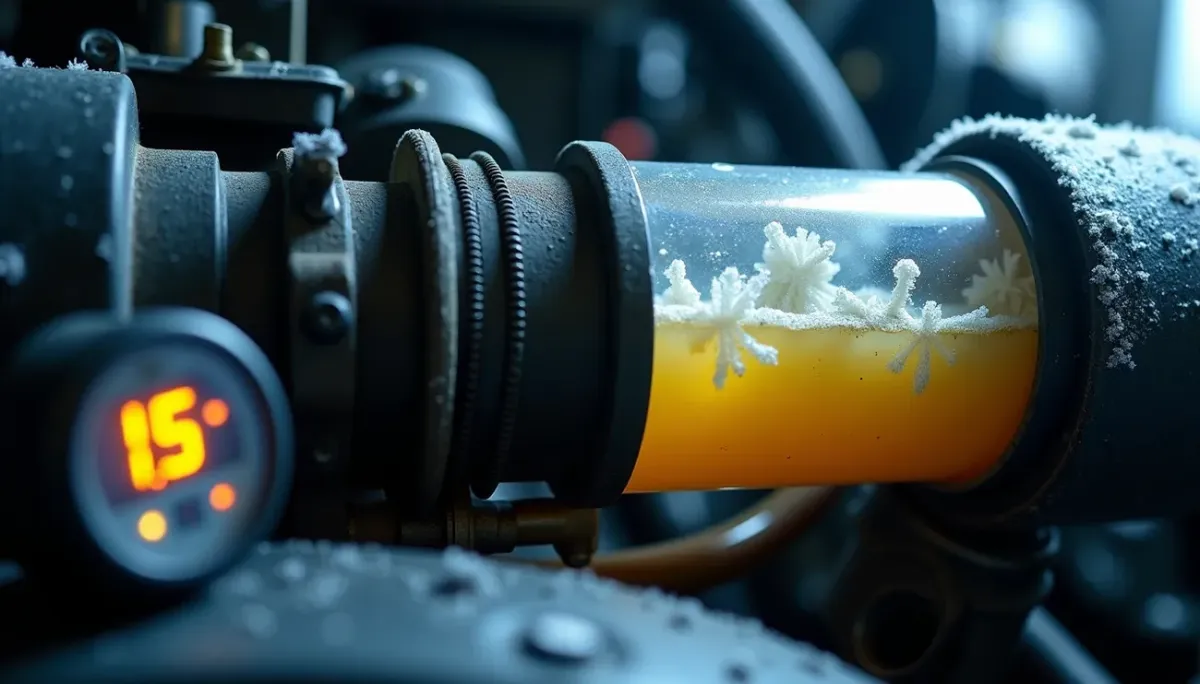
Do you know what temp does diesel gel? When temperatures drop to around 20°F (-6°C), diesel fuel begins to crystallize and turn cloudy – a process known as reaching its "cloud point" . This isn't just an interesting science fact – it's critical information that could prevent you from being stranded in cold weather.
As temperatures continue to fall to approximately 10-15°F (-12 to -9°C), these paraffin wax crystals can completely block your fuel filter . At this point, your engine stops receiving the fuel it needs to operate. Consequently, gelling incidents lead to costly repairs, towing expenses, and unexpected downtime .
Whether you're a long-haul trucker, construction equipment operator, or diesel pickup owner, understanding these critical temperature thresholds is essential for winter preparedness. In this comprehensive guide, you'll discover exactly when diesel fuel gelling occurs and, more importantly, how to prevent it before the temperature drops too low.
Understanding Diesel Gelling and Critical Temperatures

Image Source: Hot Shot's Secret
Diesel fuel naturally contains paraffin wax—a component that helps improve lubricity under normal conditions. However, this wax becomes problematic as temperatures drop [1].
Three critical temperature thresholds determine how diesel behaves in cold weather:
Cloud Point: The temperature where wax begins to crystallize, giving fuel a cloudy appearance. For #2 diesel, this typically occurs around 14°F (-10°C) [2]. Although the fuel still flows at this stage, it's your first warning sign.
Cold Filter Plugging Point (CFPP): This marks the temperature where crystallized wax begins blocking fuel filters, preventing the engine from running [3]. The CFPP is typically within a few degrees of the cloud point and represents the practical limit of operability [4].
Pour Point: The lowest temperature at which diesel remains fluid enough to pour [3]. At this stage, the fuel has essentially solidified.
Different diesel formulations have varying cold-weather properties:
#2 Diesel: Gels between 10-15°F (-12 to -9°C) [5]
#1 Diesel: Contains less paraffin with a cloud point as low as -40°F (-40°C) [6]
Biodiesel blends: May begin gelling at higher temperatures, sometimes even in the 50°F (10°C) range [7]
Understanding these thresholds is essential since modern ultra-low sulfur diesel tends to gel more readily than older formulations [8].
How to Keep Diesel from Gelling in Cold Weather

Image Source: AMSOIL Sioux Falls Dealer and Retail Store
Preventing diesel fuel gelling requires proactive measures before temperatures drop. The most effective solution is using quality diesel fuel additives specifically designed for winter conditions. Anti-gel additives modify wax crystals, preventing them from clumping together and clogging filters [9].
Quality additives like Hot Shot's Secret Diesel Winter Anti-Gel can lower your fuel's cold filter plugging point (CFPP), protecting against gelling at temperatures as low as -40°F [10]. For optimal protection, add these products at a ratio of approximately 1 ounce per 8 gallons of fuel [10].
Additionally, blending your regular #2 diesel with #1 diesel or kerosene provides significant protection. While #1 diesel has less energy content, its lower gelling point (-40°F) makes it valuable in extreme cold [11]. Consider these blending ratios:
Above 20°F: 100% #2 diesel
10-20°F: 80% #2, 20% #1 diesel
0-10°F: 70% #2, 30% #1 diesel [12]
Alternatively, seek out pre-additized winter diesel fuel from quality suppliers. These professionally blended fuels ensure precise consistency and performance [13].
Furthermore, keeping your fuel tank full minimizes condensation, which can freeze and cause icing issues that mimic gelling symptoms [14]. Remember to change your fuel filter before winter arrives to remove potential contaminants [15].
Rather than dealing with already gelled fuel, explore powerfuel technology's fuel tablets to save more on fillups while protecting your engine during cold weather operation.
Best Practices for Winter Diesel Maintenance

Image Source: 24/7 Heavy Equipment Roadside Repair - Done-Right Services
Beyond fuel additives, proper equipment maintenance serves as your strongest defense against diesel gelling problems. Start by inspecting your block heater before the first freeze - this device pre-warms your engine, significantly improving cold-weather starts [16]. For extreme conditions, consider installing battery warmers, as batteries can lose 35% of their power at 32°F and up to 60% at 0°F [16].
Replace your fuel filters before winter arrives, as they're typically the first component to clog when gelling occurs [17]. These filters should generally be changed every 10,000-25,000 miles, depending on your driving habits [17].
Check and replace glow plugs before winter if your vehicle has them. These components preheat the combustion chamber for easier ignition in cold weather [18]. Faulty glow plugs can lead to hard starts, excessive smoke, and increased strain on your diesel particulate filter [19].
Moreover, allow your engine to idle for 5-10 minutes after cold starts, permitting oil to properly circulate and lubricate all components [18]. When parking overnight, keep fuel tanks full to minimize condensation, which can freeze and block fuel lines [20].
For idle fleets, periodically start engines during winter to keep fluids circulating and prevent freezing [21]. Treat stored vehicles with fuel stabilizers to prevent degradation [21].
Conclusion
Diesel fuel gelling remains a significant concern for anyone operating diesel-powered vehicles or equipment during winter months. Understanding the critical temperature thresholds—particularly the cloud point around 14°F and cold filter plugging point slightly below—provides you with essential knowledge to prevent costly breakdowns.
Proactive prevention offers the best defense against gelling problems. Adding quality winter fuel additives before temperatures drop can lower your fuel's gelling point significantly, sometimes to as low as -40°F. Similarly, strategic blending of #2 and #1 diesel based on expected temperatures ensures your fuel remains flowable even during extreme cold snaps.
Maintenance practices play an equally important role alongside fuel treatments. Regular fuel filter changes, functioning block heaters, and proper battery maintenance all work together to keep your diesel engine running smoothly throughout winter. Additionally, keeping your tank full minimizes condensation issues that often mimic gelling symptoms.
Rather than dealing with an already gelled system—which typically requires towing and professional intervention—these preventative measures save you time, money, and frustration. Cold weather might be unavoidable, but diesel gelling certainly isn't. Through proper preparation and understanding of your fuel's limitations, you can confidently operate your diesel vehicles all winter long without the fear of gelling-related breakdowns.
Key Takeaways
Understanding diesel gelling temperatures and implementing preventive measures can save you from costly winter breakdowns and unexpected downtime.
• Diesel begins gelling at 20°F (-6°C) cloud point and becomes inoperable around 10-15°F (-12 to -9°C) when wax crystals block fuel filters completely.
• Add quality anti-gel additives before temperatures drop - they can lower your fuel's cold filter plugging point to as low as -40°F for reliable winter operation.
• Blend #2 diesel with #1 diesel based on temperature forecasts - use 20% #1 diesel for 10-20°F conditions and 30% for 0-10°F temperatures.
• Replace fuel filters before winter and maintain block heaters - these components are your first line of defense against cold-weather starting problems.
• Keep fuel tanks full to minimize condensation which can freeze and create ice blockages that mimic gelling symptoms in your fuel system.
Prevention is always more cost-effective than dealing with already gelled fuel, which typically requires professional towing and intervention to resolve.
FAQs
Q1. At what temperature does diesel fuel start to gel? Diesel fuel begins to crystallize and turn cloudy at around 20°F (-6°C), known as its "cloud point." However, complete gelling typically occurs between 10-15°F (-12 to -9°C) for standard #2 diesel fuel.
Q2. How can I prevent diesel fuel from gelling in cold weather? To prevent gelling, use quality anti-gel additives before temperatures drop, blend #2 diesel with #1 diesel based on temperature forecasts, keep fuel tanks full to minimize condensation, and consider using pre-additized winter diesel fuel from reputable suppliers.
Q3. Will idling a diesel engine prevent fuel from gelling? While idling can help circulate warm fuel, it's not a reliable method to prevent gelling. It's more effective to use proper fuel additives, winter-blend fuels, and maintain your vehicle's fuel system for cold weather operation.
Q4. What's the best way to ungel diesel fuel? The most effective way to address gelled diesel is to move the vehicle to a warmer location, add a diesel 911-type emergency de-gelling additive, and possibly replace the fuel filter. Prevention is always better than trying to fix already gelled fuel.
Q5. How important is fuel filter maintenance in preventing diesel gelling? Fuel filter maintenance is crucial. Replace filters before winter arrives, as they're typically the first component to clog when gelling occurs. Clean filters help ensure proper fuel flow and can significantly reduce the risk of cold weather-related fuel system issues.
References
[1] - https://blog.drive4ats.com/diesel-fuel-gelling-prevention-tips
[2] - https://www.agweb.com/opinion/diesel-fuel-gelling
[3] - https://mansfield.energy/2025/01/06/diesel-blend-for-winter-when-to-use-additives-and-when-to-use-kerosene/
[4] - https://www.cenex.com/expert-advice-and-insights/diesel-gelling-and-how-to-stop-it-this-winter
[5] - https://petroleumservicecompany.com/blog/at-what-temperature-does-diesel-fuel-gel/?srsltid=AfmBOoqwtST78vbsrTiNaChxrMdAhBEulAar3RGPKPMIuAP5G1pVwNJp
[6] - https://blog.amsoil.com/prevent-diesel-fuel-gelling/
[7] - https://howesproducts.com/blog/article/at-what-temperature-does-diesel-fuel-gel-and-how-to-prevent-it
[8] - https://www.bellperformance.com/bell-performs-blog/prevent-your-diesel-fuel-from-gelling-in-cold-temperatures
[9] - https://www.hotshotsecret.com/three-easy-solutions-to-prevent-diesel-fuel-gelling/?srsltid=AfmBOoqyZHQUIcQF1zbHcq44VsmTRzwnlmvg50SDxEFcduZrXVipALI5
[10] - https://www.hotshotsecret.com/diesel-winter-anti-gel/?srsltid=AfmBOoqI1zVxTrmeN3dT9n7iqbK4Ak3flklIhh3qrm2bYUWqyP-9_TaZ
[11] - https://en.wikipedia.org/wiki/Winter_diesel_fuel
[12] - https://otrsolutions.com/blog/winter-blend-diesel-fuel
[13] - https://www.exxonmobil.com/en/wholesale-fuels/news-and-insights/pre-additized-winter-diesel-fuel
[14] - https://www.uti.edu/blog/diesel/how-to-ungel-diesel-fuel-5-tips-and-tricks
[15] - https://www.cenex.com/expert-advice-and-insights/winterized-premium-diesel-tips
[16] - https://www.dummies.com/article/home-auto-hobbies/automotive/car-repair-maintenance/general-car-repair-maintenance/using-an-engine-heater-in-a-diesel-engine-for-cold-weather-starts-196426/
[17] - https://prosourcediesel.com/blog/diesel-trucks/cold-weather-diesel-truck-maintenance/?srsltid=AfmBOoqwQxN4mQC1E56YO7tLrvhFb4dmt_jzbu_mjy3QOzD2ogZnKmjp
[18] - https://www.drivebigtrucks.com/blog/how-to-start-a-diesel-in-cold-weather/
[19] - https://www.ukdpfcleaning.co.uk/news/glow-plug-maintenance-why-its-critical-for-diesel-vehicles-in-winter/
[20] - http://agwebv01.ag.utk.edu/bess/Extension/ExtProg/machinery/Articles/coldstrt.htm
[21] - https://airdogdiesel.com/preparing-your-fleet-for-winter-the-role-of-high-performance-fuel-filters/
